האם כדור הארץ נמצא בסכנה?
האם אנו נמצאים בסכנה? למרבה הצער, התשובה היא כן. זוהי עובדה שכולם מכחישים, מתעלמים ממנה או פשוט לא מבינים. אסביר זאת באופן לוגי ובהתבסס על אירועי השעה.
ניתן לחלק את הסכנה לארבעה סוגים עיקריים:
1 - סכנה קוסמית – מבוססת על תנועת הגלקסיות, כוכבי הלכת והאסטרואידים, האינטראקציות ביניהם, ויצורים חוץ-ארציים שאיננו יודעים עליהם דבר עד כה.
2 - סכנת כדור הארץ – מבוססת על התנאים והתהליכים המתרחשים על פני כדור הלכת שבו אנו חיים.
3 - סכנה מעשה ידי אדם – מבוססת על המצב והפעולות של בני האדם על פני כדור הארץ ובתוכו.
4 - סכנה אבולוציונית – מבוססת על שלב ההתפתחות שאליו הגיעה האנושות.
לפני ההסבר, עלינו להבין כי הסכנות שאנו פוגשים במפגש עם כוכבי הלכת או הטבע מתפתחות בהדרגה, אך הן מתעצמות עם כל התרחשות נוספת ומכפילות את רמת הסיכון בכל פעם מחדש.
1. סכנה קוסמית - מבוססת על תנועת הגלקסיה, כוכבי הלכת, האסטרואידים והאבק הקוסמי
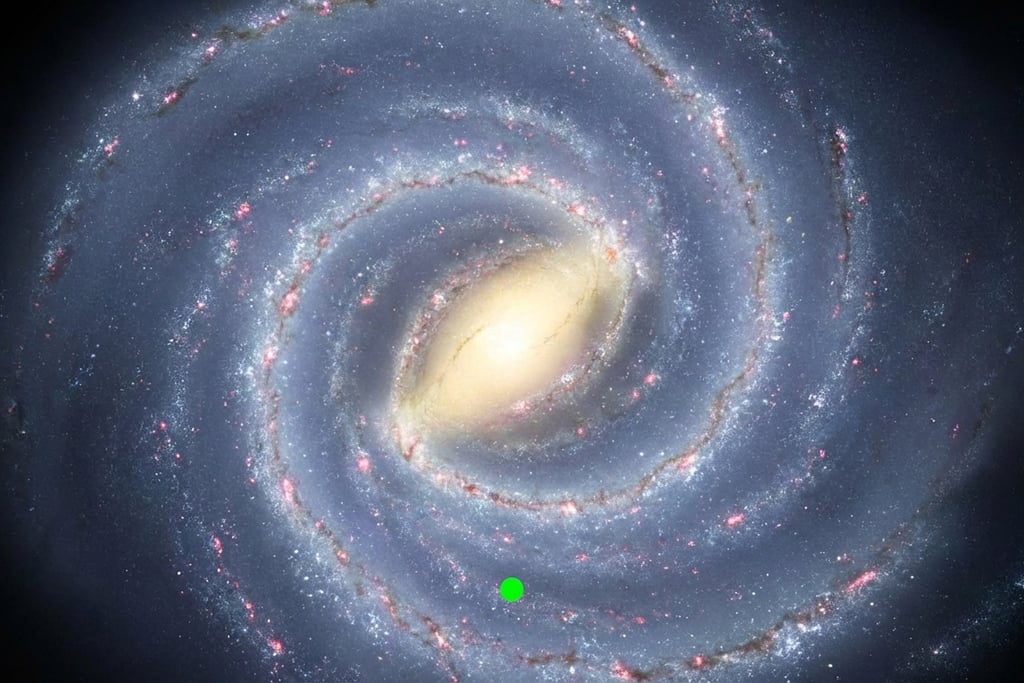
תמיד תהיתי היכן אנו ממוקמים בתוך הגלקסיה. הממצאים המדעיים האחרונים מצביעים על כך שמערכת השמש שלנו ממוקמת באחת הזרועות (זרוע אוריון), הרחק מהמרכז הצפוף והעמוס. (מסומן בנקודה ירוקה)
החזון הקוסמי: 50 השנים הבאות
אם זה נכון, הרי שאנו עומדים לחזות במראות שהאנושות מעולם לא ראתה במהלך 50 השנים הבאות - כוכבי לכת אדירים שחולפים בקרבתנו, סלעי ענק וקבוצות של גרמי שמיים העוברים במהירות.
זהו דבר המתרחש מדי לילה; אם נמקד את מבטנו בשמי הלילה, נראה עצמים מנצנצים, המופיעים ונעלמים בפתאומיות, רחוקים וקרובים כאחד - אלו הם כוכבי השביט.
"השמיים כבר לא יהיו כפי שהכרנו אותם."
גורל האנושות במרחבי הקוסמוס
לאחר המידע הזה על מיקומנו, כולנו יכולים להסכים שאנו איננו אלא גרגיר אבק החי בתוך הגלקסיה הזו. כשם שאנו חיים על פני כדור הלכת הצנוע הזה, ישנם כוכבי לכת ואסטרואידים, קטנים כגדולים, השוחים איתנו באותו הזרם, ולכל אחד מהם תנועה וחוקים משלו – חלקם מהירים, חלקם איטיים וחלקם יציבים.
עובדה זו כשלעצמה היא הסכנה הגדולה ביותר לאנושות, שכן איננו יודעים מתי יגיח כוכב שביט או אסטרואיד קטן ויתנגש בכדור הארץ. לכן, עלינו להגן על הגזע האנושי מפני הכחדה, בכל מחיר, על ידי הפצת בני האדם בכוכבי לכת אחרים. אלו הם חיינו, על ההיסטוריה היפה והמופלאה שלהם, שכמוה לא מצאנו ביקום עד כה.
"שליחותנו: הבטחת המשכיות החיים"
א. מהירות סנכרון - בהתבסס על תנועת כוכבי הלכת סביב הגלקסיה
האם קיים קנה מידה ל"מהירות סנכרון"? באסטרופיזיקה, איננו משתמשים במונח "סנכרון" במובנו המילולי (כמו סנכרון שעונים). במקום זאת, אנו משתמשים בקנה מידה הנקרא "התקן המקומי של מנוחה" (LSR - Local Standard of Rest).
* מהו ה-LSR? זוהי נקודה דמיונית בחלל הנעה במסלול מעגלי מושלם סביב מרכז הגלקסיה, המבוססת על הממוצע של תנועת כל הכוכבים בשכונה הגלקטית שלנו.
* "מהירות הסנכרון" של השמש: השמש (וכדור הארץ איתה) נעה במהירות של כ-230 קילומטרים לשנייה (ק"מ/שנייה) סביב מרכז הגלקסיה. עם זאת, איננו "מסונכרנים" באופן מושלם עם המסלול המעגלי האידיאלי; אנו נעים מעט מהר יותר ונוטים מעט לכיוון המרכז הגלקטי.
"הבנת התנועה שלנו בגלקסיה היא המפתח לחיזוי מפגשים עם גרמי שמיים אחרים."
ב. תנועה גלית: סנכרון אנכי (Vertical Synchronization)
כדור הארץ אינו מקיף את הגלקסיה בקו שטוח כמו במסלול מרוצים, אלא נע בתנועה המזכירה נדנדה או גל.
* תנודה אנכית: אנו עולים ויורדים דרך הדיסק הגלקטי (האזור הצפוף ביותר בכוכבים).
* לוח זמנים קוסמי: למערכת השמש לוקח כ-230 מיליון שנים להשלים הקפה אחת סביב הגלקסיה (שנה קוסמית), אך אנו עולים ויורדים דרך הדיסק הגלקטי בכל 30 עד 35 מיליון שנים.
* סנכרון מסוכן: מדענים מסוימים סבורים כי סנכרון אנכי זה (כאשר אנו עוברים בלב הדיסק הגלקטי הצפוף) חושף את כדור הארץ לכוח כבידה חזק יותר ולקרינה קוסמית עזה, דבר שעשוי להיות קשור לחלק מההכחדות ההמוניות הגדולות בהיסטוריה של כדור הארץ.
ג. מה משפיע על מהירות הסיבוב שלנו סביב הגלקסיה?
כאן אנו מגיעים לחידה פיזיקלית גדולה. על פי חוקי ניוטון, כוכבים הרחוקים ממרכז הגלקסיה אמורים לנוע לאט יותר מאלו הקרובים אליו, אך המציאות הוכיחה שכולנו נעים כמעט באותה המהירות.
* עקומת סיבוב גלקטית: המדידות הראו כי מהירות הכוכבים נותרת קבועה (סביב 200–250 ק"מ לשנייה) ללא קשר למרחק מהמרכז.
* השפעת החומר האפל: ה"סנכרון" הזה במהירויות, שנראה לכאורה לא הגיוני, הוא שהוביל לגילוי החומר האפל. אילו לא היה קיים החומר הנסתר הזה המחזיק את הגלקסיה יחד, השמש וכדור הארץ היו מושלכים הרחק אל החלל העמוק בשל מהירותם העצומה.
ד. האם המהירות הזו משתנה?
כן, אך באופן מזערי ביותר, עד כדי כך שאנו כבני אדם איננו חשים בכך:
* זרועות הגלקסיה: כאשר אנו עוברים דרך הזרועות הספירליות של הגלקסיה (אזורים בעלי צפיפות גבוהה), המהירות שלנו מואטת מעט ואז מאיצה שוב עם היציאה מהן, בדומה לשינויי המהירות המתרחשים בתוך פקק תנועה.
* אינטראקציה עם גלקסיות אחרות: גלקסיית אנדרומדה מתקרבת אלינו, והכבידה שלה משפיעה באופן מיקרוסקופי על הסנכרון של התנועה הגלקטית שלנו.
ה . סיכום: קנה המידה הקוסמי
(The Cosmic Scale)
אם ברצוננו למדוד את ה"סנכרון" שלנו, אנו משתמשים בפרמטרים הבאים:
* מהירות מסלולית (Orbital Velocity): מסומנת ב-V (כ-230 ק"מ לשנייה).
* קבועי אורט (Oort Constants - A & B): אלו הם מדדים מתמטיים המשמשים לתיאור האופן שבו מהירות הכוכבים משתנה בהתאם למרחקים ממרכז הגלקסיה.
* תדירות המופע: הקצב שבו אנו עולים ויורדים דרך הדיסק הגלקטי.
נגיעה של גאונות:
(עם קורטוב של ברק)
דמיינו את הגלקסיה כ"תקליט" ענק ואת כדור הארץ כמחט המנגנת עליו. אנחנו לא רק מסתובבים; אנחנו מתנודדים מעלה ומטה (Wobble), ושומרים על מהירות קבועה בזכות "דבק קוסמי" הנקרא חומר אפל.
(מה שקראתם לעיל מייצג את הממצאים המדעיים האחרונים, וזה כל מה שאנו יודעים עד כה. הידע שלנו רק יגדל ברגע שנעזוב את כדור הלכת הזה ונחקור את היקום).
--------------------------------------------------------------------------------------------------
2. סכנת כדור הארץ (בהתבסס על התנאים והאינטראקציות של כדור הארץ עליו אנו חיים)
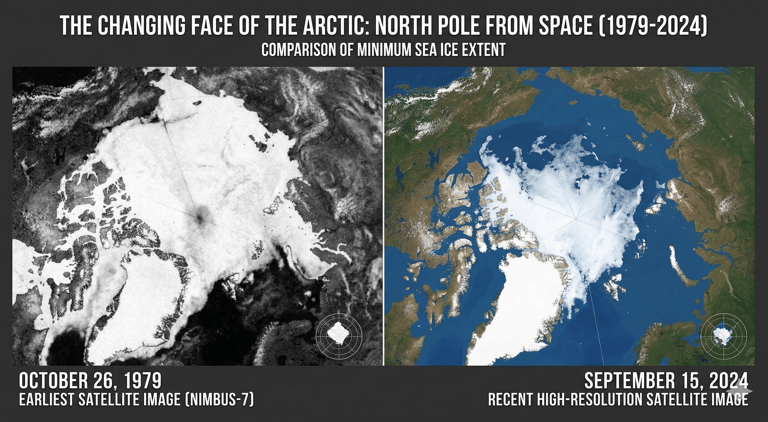
- התהליכים המתרחשים בכדור הארץ מתפתחים בהדרגה, כאשר בכל פעם הם הופכים לעזים וקיצוניים יותר מקודמיהם – בין אם במדדי החום והקור, בפעילות הרי הגעש, באוקיינוסים או בהמסת הקרחונים בקטבים.
- תופעות אלו מקיימות אינטראקציה עצמאית, והתגובות שלהן מחריפות בכל פעם מחדש. אין לכך פתרון בתוך כדור הארץ; הפתרון היחיד האפשרי הוא עזיבת כדור הלכת והקמת ציוויליזציה חדשה על פני כוכבי לכת אחרים.
- כל אדם יכול לחקור את הנושא, ובמיוחד את פעילות הרי הגעש ואת אחוז הקרח שנמס ב-30 או ב-100 השנים האחרונות. אתם תופתעו לגלות את מספר הרי הגעש שהפכו לפעילים יותר ואת עוצמת התפרצותם – הרי געש שלא התפרצו מאות ואלפי שנים החלו להתעורר ב-20 השנים האחרונות.
- אסור לנו לשכוח את כמות הקרח שנמסה ללא הרף – טריליוני טונות – באוקיינוסים של הקוטב הצפוני והדרומי.
המשך סכנת כדור הארץ: קריסת המערכות הימיות והביולוגיות
- הימים החלו לפלוט בעלי חיים ימיים ממעמקיהם אל החופים; לווייתנים הגוועים על שפת הים, ובעלי חיים אחרים העמוסים בפלסטיק, בנוסף לפסולת שהחלה להצטבר בלב ים והגיעה לממדים של מדינות שלמות.
- במהלך 10 השנים האחרונות, החלו להופיע על פני המים בעלי חיים ימיים שקופים. יצורים אלו אמורים לחיות בקרקעית הים ולא על פני השטח, מה שמעיד על כך שסביבת המחיה שלהם הפכה לבלתי ראויה למגורים, או שהחמצן במעמקים אזל, והם נאלצים להימלט אל פני השטח – או שאולי קיימת סיבה אחרת שטרם פיענחנו.
- אם נבחן את שינויי הטמפרטורה, נמצא הבדל מוחשי בעוצמת החום והקור העונתיים. אם אינכם חשים בכך, זה רק משום שאתם מוגנים תמיד תחת המזגן או החימום בבית, בעבודה או ברכב. אך השינויים הללו הופכים את החיים על פני כדור הארץ לקשים מנשוא.
א. בקטריות, נגיפים ופטריות: הסכנה השקופה
העולם כולו בנוי על אורגניזמים אלו. כשם שהם חיוניים לחיינו, הם גם הסכנה הקטלנית המאיימת עלינו. השינויים בטמפרטורה גורמים להם להפוך לפעילים יותר, להסתגל ולהתחזק. ככל שהם מתחזקים, כך גוברת הסכנה לחיי אדם. כפי שקרה עם נגיף הקורונה – זו הייתה רק ההתחלה. יופיעו אורגניזמים בעלי השפעה חזקה בהרבה, עד שנשתוקק לכך שהיו דומים לקורונה, שכן הם יהיו קשים ועוצמתיים הרבה יותר.
--------------------------------------------------------------------------------------------------
3. הסכנה האנושית (האיום האנושי)
מצבו של האדם המודרני: בני האדם אינם מצוידים כראוי כדי לעמוד בפני הסכנות העומדות לפתחם. דפוסי האכילה, השתייה והתנועה שלנו על פני כדור הארץ שונים בתכלית מאלו של ציוויליזציות קודמות. הקלות שבה אנו ניגשים למזון והמחסור היחסי בתנועה בהשוואה לעבר, משפיעים ישירות על כושר העמידה של האנושות מול סכנות ממשמשות ובאות. רבים יאבדו בשל חוסר יכולתם לשרוד את התנאים הקשים המצפים לנו.
דיווח זה מפרט את ההשפעה הישירה של פעולות האדם – לא רק על המוות עצמו, אלא גם על הנתיב המוביל אל המוות כתוצאה מאסונות טבע.
"הנוחות של היום היא חולשת המחר."
ההשפעה הישירה של אסונות הטבע (2018–2025)
כאשר אנו מדברים על "השפעה ישירה" של אסונות טבע, איננו מתכוונים רק למקרי מוות, אלא לזעזוע חייהם של מיליונים; מאובדן בתים (עקירה) ועד להרס מקורות פרנסה והשלכות פסיכולוגיות ובריאותיות ארוכות טווח.
להלן מבט אנליטי על האופן שבו אסונות טבע השפיעו ישירות על בני האדם בין שנת 2018 לסוף שנת 2025:
א. משבר העקירה (ההשפעה המספרית הגדולה ביותר)
במהלך שנים אלו, אסונות הטבע הפכו לגורם מרכזי לעקירה פנימית, כאשר לעיתים מספר העקורים עלה על אלו שנעקרו בשל מלחמות.
* 2018–2021: מספר האנשים הממוצע שהושפע מדי שנה עמד על כ-90 מיליון. סופות ציקלון בדרום- מזרח אסיה ושריפות ענק באוסטרליה ובקליפורניה היו הסיבות העיקריות לפינוי ערים שלמות.
* 2022 (שנת השיטפונות): בפקיסטן לבדה, השיטפונות עקרו ישירות יותר מ-8 מיליון בני אדם, מה שהוביל למשבר דיור ובריאות הציבור שנמשך שנים.
* 2024–2025: בשנת 2024 לבדה, כ-167 מיליון בני אדם נפגעו מאסונות. בשנת 2025 נרשם שיא של 45.8 מיליון עקירות פנימיות חדשות עקב אסונות, כתוצאה משיטפונות בסין, שריפות בלוס אנג'לס ורעידת אדמה במיאנמר.
ב. השפעה ישירה לפי סוג האסון
* "הרוצח השקט": גלי חום (2021–2025)
גלי חום אינם נחשבים עוד ל"מזג אוויר חם" גרידא; כיום הם משפיעים ישירות על:
יכולת פיזית ותשתיתית: קריסת רשתות החשמל בערים מרכזיות (כפי שקרה באסיה ובאירופה בשנת 2024), מה שהוביל להשבתת בתי חולים ומערכות מיזוג אוויר.
תעסוקה: אובדן של מיליוני שעות עבודה עבור אלו העובדים תחת כיפת השמיים, מה שמשפיע ישירות על הכנסתן של משפחות עניות.
* "זעזועי אדמה": רעידות אדמה (2023 ו-2025)
רעידת האדמה בטורקיה ובסוריה (2023): הרסה למעלה מ-300,000 מבנים, והותירה מיליוני בני אדם ללא קורת גג בין לילה. ההשפעות הפסיכולוגיות (פוסט-טראומה) עדיין רודפות את השורדים עד היום.
רעידת האדמה במיאנמר (2025): החריבה את התשתיות בערים מרוחקות, וניתקה אלפי בני אדם מאספקה רפואית למשך שבועות ארוכים.
* "ערים טובעות": שיטפונות והוריקנים
התרחיש של "ערים שקועות" חזר על עצמו בברזיל, בספרד ובסין (2024–2025), שם איבדו בני אדם את כל רכושם החומרי (בית, רכב, חסכונות) בתוך רגעים ספורים.
ג. פגיעה בביטחון התזונתי והמאי
בין השנים 2018 ל-2025, אסונות רצופים הובילו לתוצאות הבאות:
* הרס יבולים: בצורות במזרח אפריקה ובברזיל גרמו לעלייה דרמטית במחירי המזון העולמיים, והותירו מיליוני משפחות ללא יכולת להבטיח את ארוחותיהן הבסיסיות.
* זיהום מקורות מים: בכל אירוע שיטפון (כפי שקרה בלוב בשנת 2023), מי שופכין התערבבו עם מי השתייה, מה שחשף את השורדים באופן ישיר למחלות מעיים קטלניות.
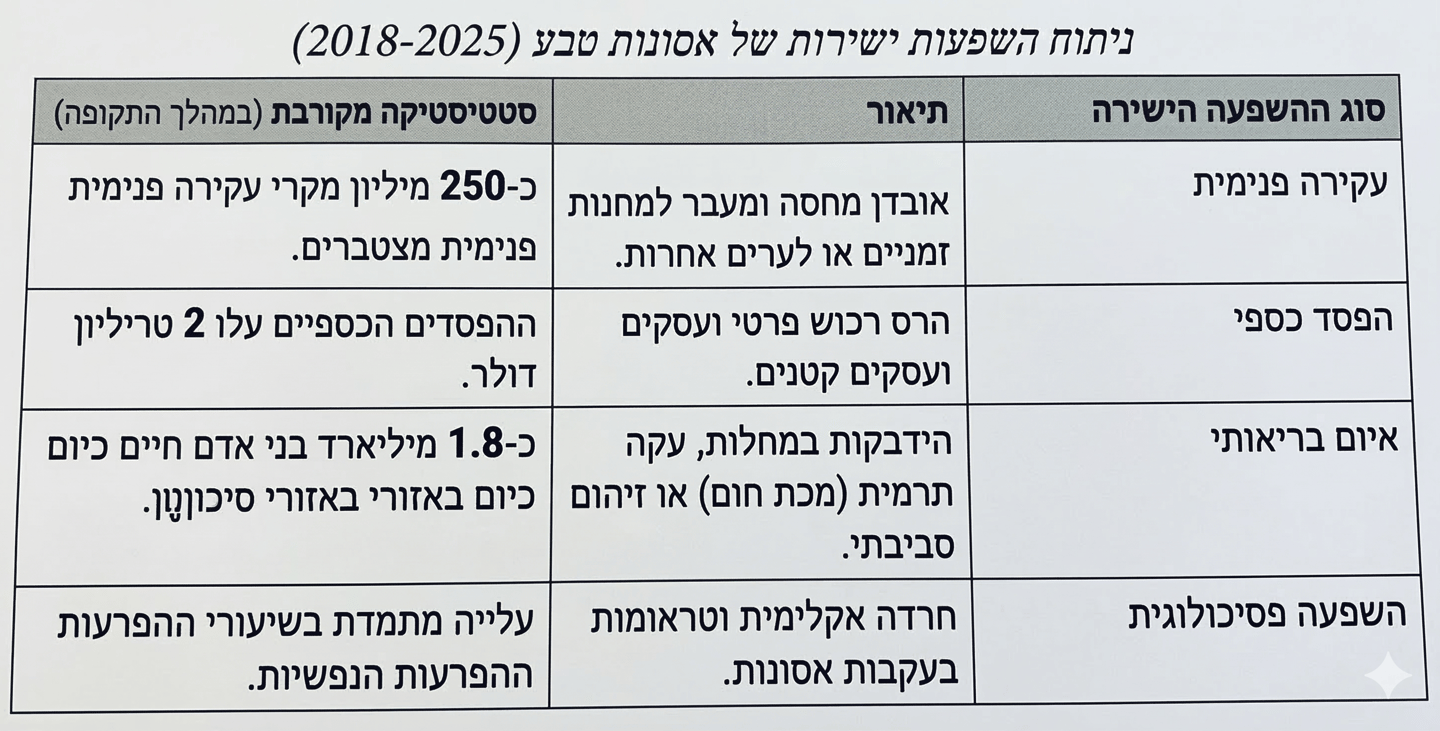
- המציאות היומיומית החדשה (2024–2025)
אסונות הטבע בשנים האחרונות (ובמיוחד בשנים 2024–2025) אינם נחשבים עוד לאירועים חולפים, אלא הפכו ל"מציאות יומיומית" המשנה את הגיאוגרפיה של ההתיישבות האנושית. מצב זה מאלץ את החברות להסתגל מחדש לחיים על פני כדור לכת אלים ומסוכן הרבה יותר.
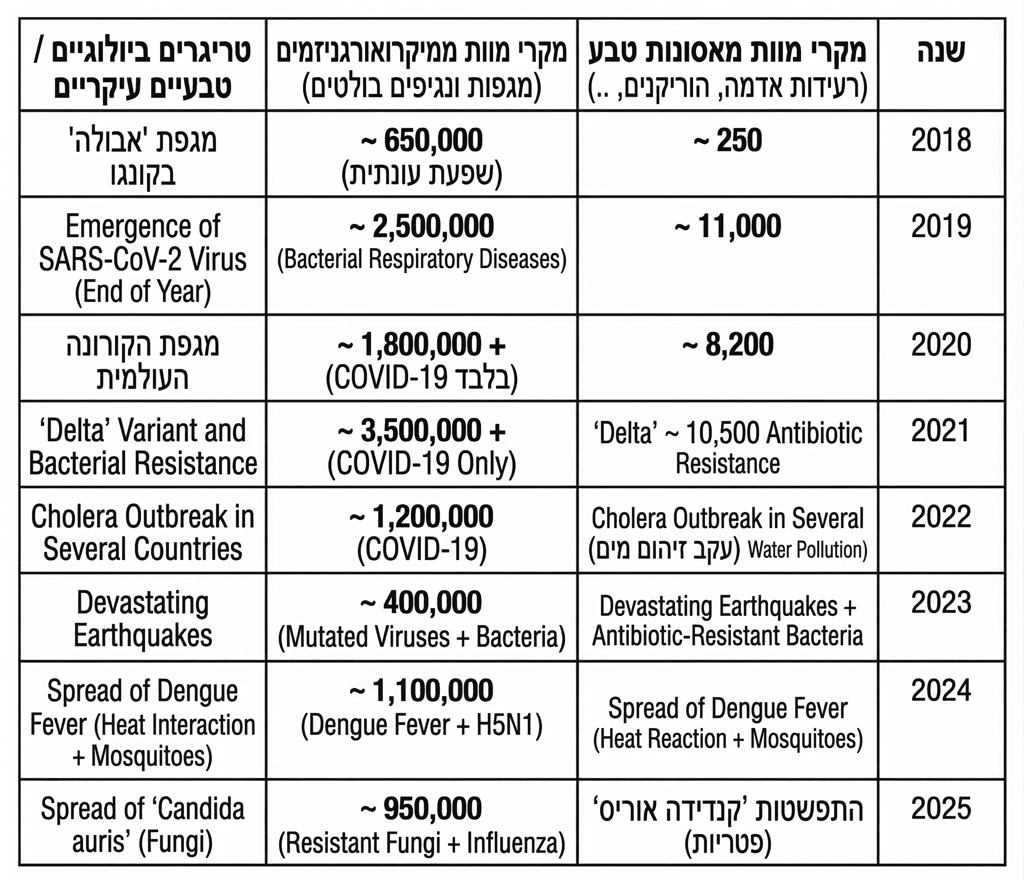
- זוהי טבלה משוערת של מספר מקרי המוות שעלולים להירשם בין השנים 2018 ל-2025.
--------------------------------------------------------------------------------------------------------
פעולות האדם על פני כדור הארץ
א. סכנת המוצרים והצריכה
פעולות האדם והשלב שאליו הגיעו הפיתוח והפתרונות הטכנולוגיים הם אדירים, אך לפיתוח זה קיימים היבטים שליליים הנובעים מהצורך המבוסס על צריכה. עקרון ה"צריכה החוזרת" של אותו הצורך – בשל שינויי טעמים, הבדלים חברתיים או פתרונות טכנולוגיים חדשים – הפך את האדם לצרכן הראשון והמרכזי של כדור הלכת.
הטרגדיה היא שמוצרים שהפכו למיותרים נזרקים כפסולת לימים, נטמנים באדמה או נשרפים. מדינות מעטות בלבד מסתמכות על מיחזור, ואפילו המיחזור עצמו הפך לנטל כלכלי שאינו מניב רווחים ראויים, ובכך הוא מהווה נטל על כדור הארץ כולו – כמו פלסטיק, נייר, עץ ומוצרים נוספים.
יש הטוענים כי מוצרים אלו מתכלים עם הזמן, אך הם אינם שואלים את עצמם מה יקרה לכדור הארץ ולאנושות במהלך תקופות ההתכלות הממושכות הללו. כמות המוצרים שהפכו לפסולת גדולה פי כמה וכמה מאוכלוסיית בני האדם כיום.
ב. סכנת הגזים: האיום הבלתי נראה (Gas Risks: The Unseen Threat)
הסיכונים מתחלקים לשתי קטגוריות מקבילות המאיימות על יציבות כדור הארץ ועל בריאות האדם:
* התחממות גלובלית (שינויי אקלים): גזים כמו פחמן דו-חמצני (CO_2) ומתאן (CH_4) פועלים כ"שמיכה" הלוכדת חום. עד סוף שנת 2025, העולם רשם את רמת ריכוז הפחמן הגבוהה ביותר אי פעם (425.7 חלקים למיליון - ppm), מה שהוביל להאצת המסת הקרחונים ולעליית מפלס פני הים.
* האיום הבריאותי הישיר: מזהמי אוויר (כגון תחמוצות חנקן וחלקיקים מרחפים) גרמו לעלייה בשכיחות האסטמה, מחלות סרטן ומחלות לב. מחקר שפורסם בינואר 2026 אישר כי פליטות מתעשיית הפלסטיק לבדה עלולות להכפיל את השפעותיהן הבריאותיות המזיקות עד שנת 2040.
* החמצת אוקיינוסים: ספיגת ה-CO_2 על ידי האוקיינוסים הופכת אותם לחומציים יותר, מה שמהווה איום על שוניות האלמוגים ועל הביטחון התזונתי העולמי התלוי בימים.
ג. קידמה אנושית: האם התחלנו לשנות כיוון?
למרות הנתונים המדאיגים, האנושות השיגה התקדמות טכנולוגית ומשפטית חסרת תקדים עד תחילת שנת 2026:
* שיא הפליטות (2026): התחזיות מצביעות על כך ששנת 2026 תהיה השנה שבה פליטות הפחמן העולמיות יגיעו לשיא ואז יחלו לרדת לראשונה בהיסטוריה המודרנית, הודות להתרחבות המסיבית של אנרגיה נקייה.
* פריצת דרך באנרגיה מתחדשת: אנרגיית השמש והרוח יכסו יותר מ-14% מסך האנרגיה העולמית עד 2025, עם תוספת של 700 ג'יגה-ואט של קיבולת חדשה בתוך שנתיים בלבד.
* מהפכת התחבורה החשמלית: אחת מכל ארבע מכוניות שנמכרות בעולם היא כיום חשמלית, מה שמפחית את התלות הישירה בנפט.
* טכנולוגיות לכידת פחמן (CCS): עברנו מהשלב הניסיוני להקמת מפעלים מסיביים המסוגלים לשאוב מיליוני טונות של פחמן ישירות מהאוויר ולאחסן אותם מתחת לאדמה!
תחזית ל-20 השנים הבאות (2026–2046): המבחן הגדול של האנושות
תקופה זו תהיה המבחן האמיתי ליכולת ההסתגלות של האנושות:
* 2030–2035: האנרגיה המתחדשת צפויה להפוך למקור החשמל המרכזי בעולם, כשהיא עוקפת את הפחם והגז. מדינות רבות יגיעו לנייטרליות פחמנית במגזר החשמל שלהן.
* 2040: הפסקה כמעט מוחלטת של השימוש במנועי בעירה פנימית (בנזין ודיזל) ברוב המדינות המפותחות ובסין, והופעת הדור הראשון של "מטוסים ירוקים" המונעים במימן.
* 2045–2046: תאריך היעד להשגת "אפס פליטות נטו" (Net Zero) עבור מעצמות כמו גרמניה וקליפורניה. בשלב זה, טכנולוגיות היתוך גרעיני (Nuclear Fusion) ייכנסו לשלב הפיילוט הראשוני כפתרון האנרגיה הנקייה האולטימטיבי.
האתגר שנותר: למרות כל הפתרונות, כדור הארץ ימשיך להתחמם בקצב שעלול לעבור זמנית את רף ה-$1.5^\circ C$. משמעות הדבר היא ששני העשורים הקרובים ילוו בגלי חום ושיטפונות מתמשכים, מה שידרוש השקעות ענק בבניית ערים עמידות.
"ומה אם אחד התהליכים הללו ייכשל? מה נעשה אז?"
ד. סכנות המלחמה: האסון המלאכותי (The Dangers of War)
מלחמות נחשבות ל"אסון טבע" מעשה ידי אדם, אך השפעותיהן עולות לעיתים על אלו של רעידות האדמה העוצמתיות ביותר. הן לא רק מחריבות את ההווה, אלא גם טומנות "מוקשים" בעתיד של כדור הארץ והאנושות כולה.
* ההשפעה האנושית: עקירה ופער הדורות
במהלך תקופה זו, העולם היה עד לסכסוכים מרכזיים (אוקראינה, סודן, עזה, תימן, אתיופיה) שהובילו לתוצאות קטסטרופליות:
* שיאי עקירה חסרי תקדים: עד סוף שנת 2025, מספר העקורים בכפייה והפליטים ברחבי העולם עלה על 130 מיליון. תנועה מסיבית זו יוצרת לחץ אדיר על משאבי הטבע באזורים המארחים ומחוללת משברי דיור ובריאות חמורים.
* ביטחון תזונתי: המלחמות (במיוחד באוקראינה ובסודן) שיבשו את שרשרת אספקת המזון העולמית. בשנים 2024–2025, יותר מ-300 מיליון בני אדם סבלו מחוסר ביטחון תזונתי חמור כתוצאה מהפסקת ייצוא הדגנים או מהרס אדמות חקלאיות.
טביעת הרגל הפחמנית של כוחות הצבא (הסכנה הסביבתית הנסתרת)
היבט זה נותר לעיתים קרובות מחוץ לתשומת הלב הציבורית, אך צבאות העולם נמנים עם המזהמים הגדולים ביותר של כדור הארץ:
* פליטות מסיביות: פליטות הפחמן הנובעות מפעילות צבאית ומלחמות מוערכות בכ-5.5% מכלל הפליטות העולמיות. אילו הצבאות היו נחשבים ל"מדינה", הם היו המזהם הרביעי בגודלו בעולם מבחינת פליטת פחמן.
* הרס הצמחייה והקרקע: שימוש בנשק ובדלקים צבאיים מזהם את האדמה במתכות כבדות (כגון עופרת וכספית) הנותרות בקרקע למשך מאות שנים, דבר ההופך את החקלאות לבלתי אפשרית באותם אזורים.
"רצח סביבתי" (Ecocide)
מונח זה זכה לבולטות משמעותית בשנים 2024 ו-2025 לתיאור הרס מכוון של הסביבה המשמש כנשק במלחמה:
* זיהום מקורות מים: הפצצת מתקני התפלה ומאגרי מים מובילה להתפשטות מגפות (כגון כולרה, שחזרה בעוצמה לאזורי עימות בשנת 2025).
* הרעלת אוויר: פיצוצים ושריפות במתקני נפט משחררים עננים של כימיקלים רעילים שאינם מכירים בגבולות, אלא נישאים על גבי הרוחות ומזהמים גם מדינות שכנות.
השפעת עוצמת הקול של טילים וטנקים על כדור הארץ ושחיקת הקרקע
(The Impact of Sound Power on Earth and Soil Erosion)
קול אינו רק מטרד; הוא גם לחץ אוויר הנע דרך עצמים מוצקים.
* טילים: שיגורי טילים (במיוחד טילים בליסטיים או משגרי רקטות גדולים) מייצרים רמות קול העולות על 180 עד 200 דציבלים. עוצמה זו מספיקה כדי לנפץ מבני בטון סמוכים ולייצר גלי הדף החודרים אל פנים האדמה.
* טנקים: המנועים המסיביים ותנועת השרשראות מייצרים רעידות בתדר נמוך (אינפרה-סאונד). תדרים אלו לעיתים אינם נשמעים לאוזן האנושית, אך האדמה "מרגישה" אותם כמיקרו-רעידות אדמה מתמשכות.
השפעה על מבנה הקרקע: פירוק הקשרים (Impact on Soil Structure)
הקרקע אינה מסה מוצקה אחת, אלא תערובת של חלקיקים, אוויר ומים. רעידות חזקות מובילות לתוצאות הבאות:
* נזילות קרקע (Soil Liquefaction): באזורים בעלי קרקע לחה או חולית, רעידות אלימות מפיצוצים או מתנועת רכבים כבדים גורמות לקרקע לאבד את יציבותה ולהפוך לנוזלית, מה שמוביל לקריסת מבנים המוקמים עליה.
* הרס הנקבוביות (Destruction of Porosity): לחץ אקוסטי ומכני דוחס את חלקיקי הקרקע ומבטל את חללי האוויר. תהליך זה הורג מיקרואורגניזמים והופך את האדמה ל"מתה", ללא יכולת לספוג מים.
סחפת קרקע ומפולות אדמה (Soil Erosion and Landslides)
להלן הקשר הישיר בין "עוצמת הקול" לבין "סחפת":
* פירוק מדרונות: באזורים הרריים, גלי הקול הנוצרים מפיצוצים פועלים כ"פטיש", המפרק את הקשרים השבירים בין הסלע לקרקע. מצב זה הופך את המדרונות לפגיעים לקריסה מיידית או לסחפת כבר עם הגשם הראשון.
* סחפת מואצת: כאשר הקרקע מתפרקת כתוצאה מרעידות, היא הופכת ל"פריכה" במיוחד. הרוח הנוצרת מהפיצוצים (לחץ יתר) מעתיקה את שכבת הקרקע העליונה הפורייה, ומותירה את האדמה חשופה ופגיעה לסחפת מים מהירה.
סדקים מיקרוסקופיים והשפעה גיאולוגית (Microscopic Cracks and Geological Impact)
מחקרים שנערכו באזורי עימות בין השנים 2018 ל-2025 הראו כי:
- סדקים בתת-הקרקע: רעידות חוזרות ונשנות גורמות לסדקים מיקרוסקופיים בשכבות הסלע בתת-הקרקע, מה שעלול לשנות את זרימת מי התהום או לייבש מקורות מים טבעיים.
- פעילות סיסמית מושרית: גלי ההדף של טילים כבדים יכולים לעורר "פעילות סיסמית מינורית" בהעתקים גיאולוגיים רגישים ממילא.
עובדה מדעית: פיצוצים גדולים במלחמות האחרונות נרשמו במצפים סיסמולוגיים כ"רעידות אדמה" בעוצמה של 2 עד 3.5 בסולם ריכטר. הדבר מוכיח כי מלחמה אינה רק עימות מעל פני השטח, אלא תקיפה פיזית על קרום כדור הארץ עצמו.
כאשר קול הנפץ דועך והעשן מתפזר, מתחילה "הלוחמה הכימית השקטה", הנסתרת מן העין. טילים ופגזים אינם רק גושי מתכת מתפוצצים; הם "מעבדות כימיות רעילות" המשחררות את תכולתן אל לב הקרקע.
שאריות כימיות של תחמושת: רעלים שאינם גוועים (Organic Explosives)
החומרים הגורמים לטיל להתפוצץ (כגון TNT ו-RDX) הם חומרים הזרים לחלוטין לטבע ובעלי יציבות כימית מעוררת אימה:
* יציבות כימית: חומרים אלו אינם מתפרקים בקלות; ה-TNT, למשל, יכול להישאר בקרקע למשך יותר מ-80 שנה מבלי לאבד מרעילותו.
* מסרטנים מוכחים: חומרים אלו נחשבים למסרטנים ודאיים. כאשר הם נספגים בקרקע, הם מחלחלים עם מי הגשמים אל מי התהום, ומשם אל מי השתייה והיבולים. הדבר גורם למוטציות גנטיות ולמחלות כרוניות באוכלוסייה, גם עשרות שנים לאחר סיום המלחמה.
מתכות כבדות: "רוחות רעות" באדמה (Heavy Metals: "Evil Spirits" in the Soil)
כל פגז או קליע מכיל מתכות כבדות המוזרקות אל תוך האדמה בזמן הפגיעה:
* עופרת, כספית וכרום: מתכות אלו אינן מתפרקות לעולם. הן נשארות בשכבת הקרקע העליונה, מעכבות צמיחת צמחים או נספגות בריכוזים גבוהים בתוך פירות וירקות.
* הרעלת מוח: עופרת מקליעים באזורי עימות (כפי שנצפה בעיראק, סוריה ואוקראינה בין השנים 2018 ל-2025) הובילה לעלייה בשיעורי ההרעלה בקרב ילדים, דבר המשפיע ישירות על התפתחותם השכלית והפיזית.
(Rocket Fuel - Perchlorates)
הטילים המודרניים שראינו בשימוש נרחב בשנים 2024 ו-2025 מסתמכים על דלק מוצק או נוזלי המכיל פרכלורטים:
* פגיעה בבלוטת התריס: חומר זה נמס במים במהירות מדהימה ומגיע ליבולים חקלאיים. כאשר הוא חודר לגוף האדם, הוא מונע מבלוטת התריס לספוג יוד, דבר הגורם לשיבושים הורמונליים נרחבים בקרב קהילות החיות באזורים שהופצצו.
זרחן לבן והשפעות חומציות (White Phosphorus and Acidic Effects)
השימוש בזרחן לבן (כפי שהתרחש בעימותים בשנים 2023–2024) גורם ליותר מאשר רק כוויות בבני אדם:
* החמצת קרקע: הזרחן מגיב עם החמצן באטמוספירה ומייצר זרחן פנטאוקסיד. במגע עם לחות הקרקע, הוא הופך לחומצה זרחתית ($H_3PO_4$). תהליך זה משנה באופן דרסטי את רמת ה-pH של האדמה, הורג מיקרואורגניזמים החיוניים לפוריות הקרקע ומותיר את האדמה "צרובה ביולוגית" (Bio-scorched).
ניתוח מקרה (2025): "אדמה מתה" (Case Study: "Dead Earth")
בדיווחים שהוגשו בסוף שנת 2025 על אזורי עימות במזרח אירופה ובמזרח התיכון, מצאו מדענים כי אדמות חקלאיות מסוימות הכילו רמות של קדמיום ועופרת הגבוהות פי 100 מהרמות המותרות על פי התקנים הבינלאומיים.
* מסקנה מטלטלת: טיל שמתפוצץ תוך שניות בודדות משאיר אחריו "מורשת של רעלים" שתדרוש מאות שנים של התאוששות ופעולות טיהור מורכבות (בעלות של מיליארדי דולרים) כדי להפוך את האדמה שוב לראויה למגורי אדם או לעיבוד חקלאי.
--------------------------------------------------------------------------------------------------------
4. אבולוציה: על סמך רמת הפיתוח של האנושות והסיכונים הנלווים לה
רמת הפיתוח שאליה הגיעה האנושות על פני כדור הארץ בכל ההיבטים היא חסרת תקדים בהיסטוריה האנושית מאז הופעת האדם על פני כוכב הלכת.
מצב הפיתוח הטכנולוגי (הישגים)
האנושות השיגה פריצות דרך שהפכו את ה"מדע הבדיוני" למציאות יומיומית, כשהחשובות שבהן:
* מהפכת המידע והתקשורת: הגישה לידע אנושי הפכה למיידית. טכנולוגיות תקשורת (5G ומעבר לכך) ביטלו מרחקים והפכו את העולם ל"כפר דיגיטלי" אמיתי.
* ביו-רפואה והנדסה גנטית: הודות לטכנולוגיות כמו CRISPR, הפכנו ליכולים לשנות גנים ולטפל במחלות שהיו חסוכות מרפא בעבר, ובכך להאריך את תוחלת החיים ולשפר את איכותם.
* בינה מלאכותית (AI): אוטומציה של משימות מורכבות, האצת מחקרים מדעיים ויכולת לנתח כמויות עתק של נתונים לחיזוי משברי בריאות או אקלים.
* אנרגיה נקייה: התקדמות בטכנולוגיות אנרגיה סולארית והיתוך גרעיני ניסיוני סוללת את הדרך להפסקת התלות בדלקים מאובנים.
סיכוני הפיתוח הטכנולוגי (אתגרים)
כל התקדמות טכנולוגית נושאת עמה "מס" שעלול לאיים על היציבות האנושית אם לא ינוהל כראוי:
* סיכון הסופר-אינטליגנציה (Superintelligence): חששות מאובדן שליטה על מערכות אוטונומיות, או קבלת החלטות המתנגשות עם ערכי האדם, בנוסף לאבטלה הנובעת מאוטומציה של מקומות עבודה.
* אבטחת סייבר ופרטיות: הטרנספורמציה הדיגיטלית של העולם הפכה את החברות לפגיעות למתקפות שעלולות לשתק תשתיות קריטיות (חשמל, בנקים), לצד שחיקה מוחלטת של הפרטיות האינדיבידואלית.
* עליונות גנטית ומעמדיות: הסיכון להיווצרות פער בין "בני אדם משופרים גנטית" לבין בני אדם "רגילים", מה שעלול ליצור סוג חדש של אי-שוויון חברתי.
* נשק אוטונומי קטלני: פיתוח כלי נשק ההורגים ללא התערבות אנושית מגביר את הסיכון למלחמות והופך את האחריות הבינלאומית לקשה הרבה יותר ליישום.
סיכום: האיזון הקריטי
אנו חיים בעידן של "סיכון קיומי", שבו לטכנולוגיה יש פוטנציאל להציל את כדור הארץ או להשמידו. הצלחה אמיתית אינה נמדדת במורכבות המכונה, אלא ביכולתנו להקים מסגרות אתיות ומשפטיות המבטיחות שהקידמה תשרת את האנושות, ולא להיפך.
"הטכנולוגיה היא משרת טוב, אך אדון רע."
כל המידע שקראתם לעיל אינו אלא הצצה קטנה אל היקום, הגלקסיה, כדור הארץ והאבולוציה של האנושות.
"רוב האנשים אינם מאמינים באסון עד שהם רואים אותו במו עיניהם."